“AI is great at synthesizing what’s already been out there. It’s not that great when it comes to thinking uniquely.”
That observation from REQ SVP of Content Pete Larmey set the tone for REQ’s recent webinar, Narrative Wins: Building Visibility, Trust, and Influence in the Age of AI.
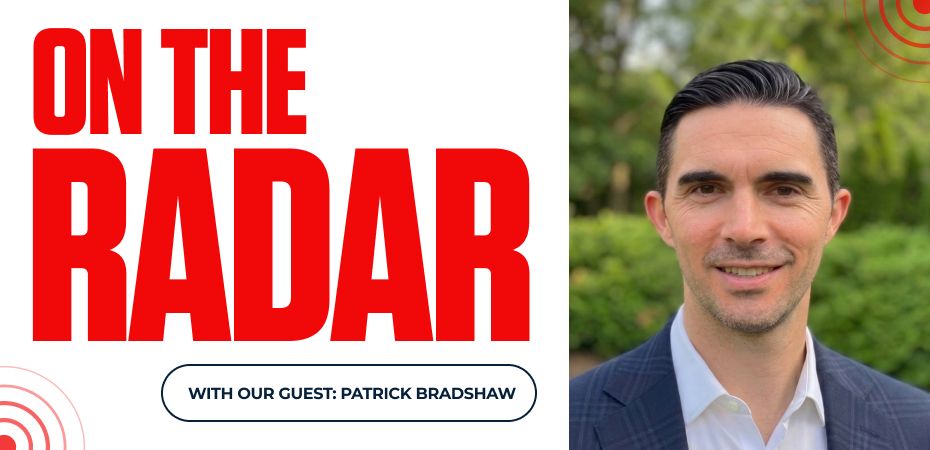
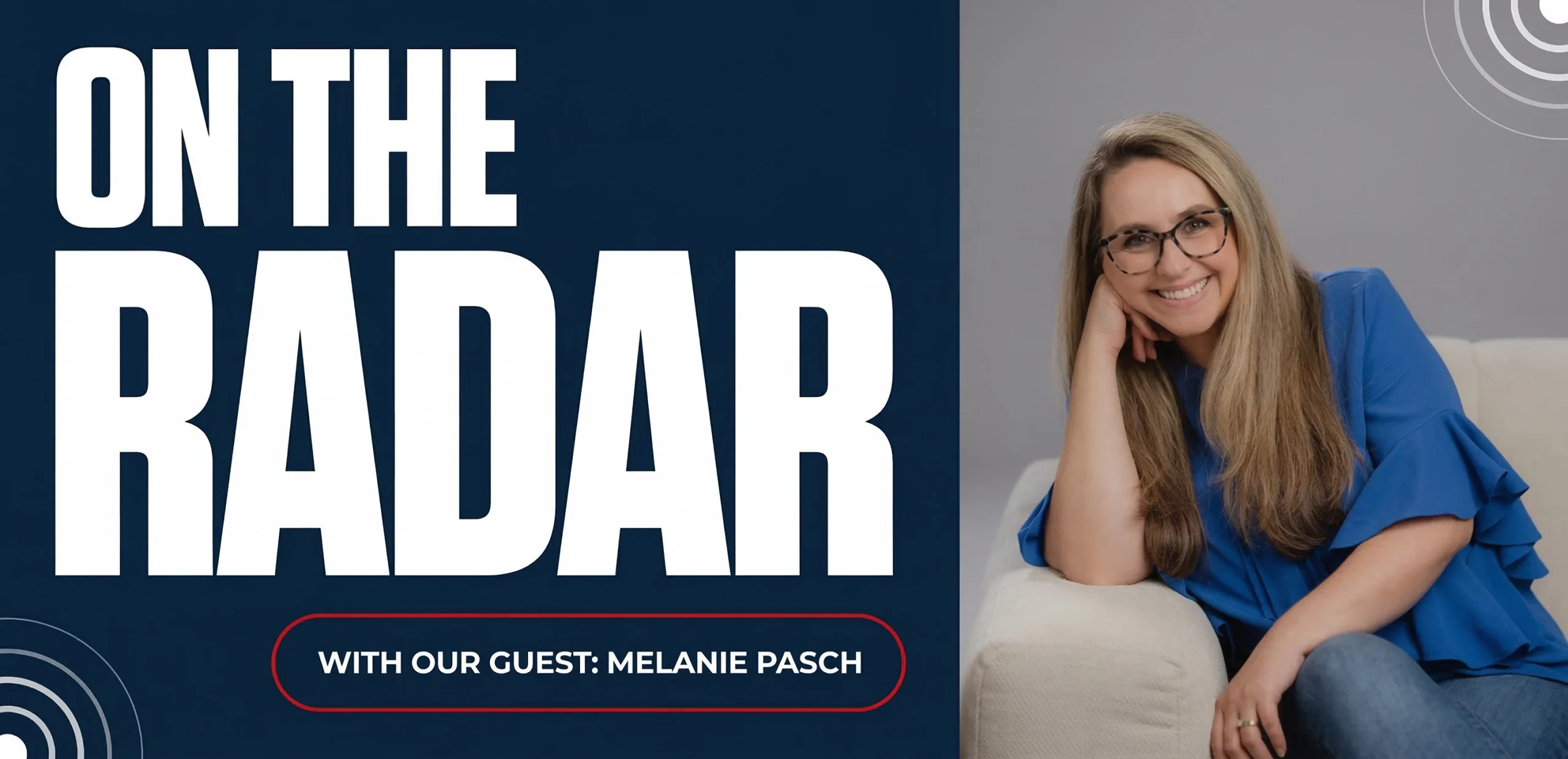
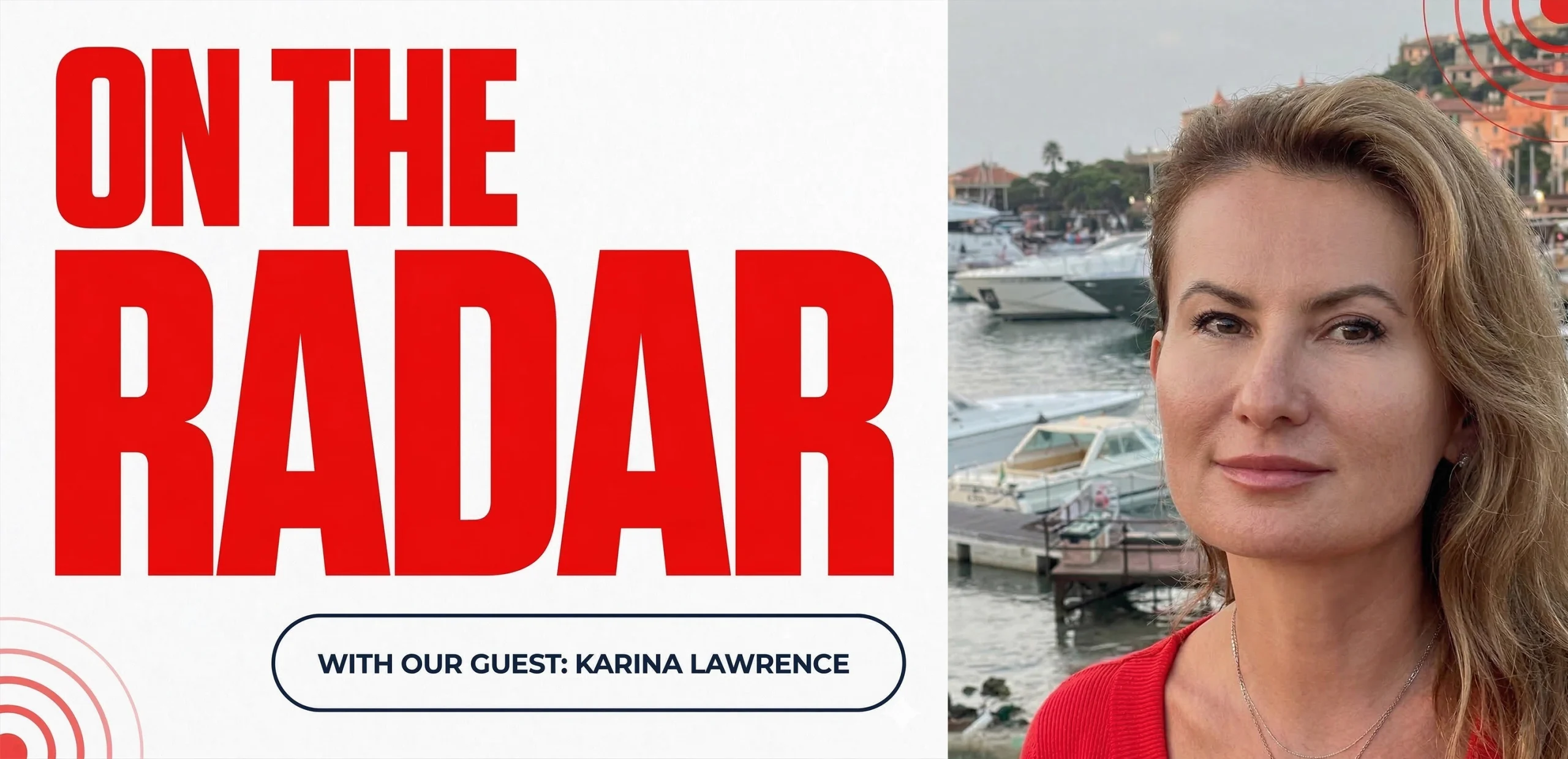
Featuring Larmey, Workato Director of Product and Solutions Marketing Hannah Peacock, and Go Fish Digital SEO Director John Greving, and moderated by REQ SVP of Public Relations Robin Bectel, the conversation tackled a question that’s become urgent for nearly every marketing leader: How do you say something different in a world where AI can generate infinite content, and still get surfaced by the very tools that are flattening everyone’s message?
The panel didn’t land on a single tactic or shortcut. Instead, the discussion circled back again and again to the fact that brands that consistently show up with real experts, with a real point of view, are the ones AI ends up trusting most.
Don’t Get Productivity and Trust Confused
Peacock cited “false confidence” as a main challenge. The easier AI makes content creation, the harder it’s becoming for brands to be confident that what they’re saying is actually working. AI-generated content may look great at first glance, but it might not be connecting with audiences.
That gap showed up repeatedly throughout the discussion. AI can produce material that reads as branded, polished, and complete in seconds, but that polish has nothing to do with whether the content is differentiated, accurate, or appealing. The illusion is convincing enough that it’s tricking the people producing the content into thinking it works.
This isn’t a new problem so much as an old one moving at a dangerous new speed. Companies that can suddenly output ten blog posts a day convince themselves their content strategy is working, especially when their reporting isn’t sophisticated enough to tell them otherwise. The result is a strategy that feels productive without necessarily being effective at earning readers’ trust or even gaining the attention of AI models.
The panelists didn’t recommend producing less content. Instead, they talked about building the reporting discipline to know whether what you’re producing is actually landing.
How to Break Through the Sameness
Left unchecked, AI naturally homogenizes content. It pulls from whatever it can find and reflects it back with watered-down messaging. That’s why so much AI-assisted content ends up sounding interchangeable.
To get around this, brands might be tempted to invent categories or coin new language to stand out, but that rarely lands with audiences or algorithms. What works instead is using familiar terms and grounding them in a genuinely different, well-substantiated point of view.
The panelists put a finer point on why that matters right now. Larmey noted that AI can synthesize what already exists, but it can’t think uniquely, which means that job still belongs to the humans setting the strategy. That distinctiveness has to be earned, not asserted. Meanwhile, Greving said that simply taking the opposite stance on a topic, or insisting a brand is different without backing it up, won’t move the needle with search engines or AI models that are actively looking for source consensus and demonstrated expertise. The brands that break through are the ones whose subject matter experts bring real, specific experience to a new perspective to ongoing conversations.
Create Your Own Narrative, Consistently
If there was one word the panel returned to more than any other, it was consistency. Greving put it plainly: a byline alone means little to an AI model. What compounds into real credibility is a recognizable voice showing up the same way, again and again, over time.
AI doesn’t invent a brand’s expertise, but it recognizes expertise when it’s demonstrated repeatedly, across bylines, interviews, webinars, press coverage, and a company’s own site. The more consistently a company tells the same story in the same voice, the more likely that story is to get picked up and reinforced by AI systems.
This has real implications for how brands protect their narrative when AI gets something wrong. Waiting for AI to tell your story, rather than telling it yourself, means ceding ground to whatever gaps AI fills in from elsewhere on the internet, including sources like Reddit or an outdated forum post. The better approach is proactive and threefold:
- Get out ahead of the narrative with a clear point of view
- Make sure expertise is visible everywhere AI is learning from
- Keep messaging consistent across every single channel.
The Old Fundamentals Are the New Differentiator
Perhaps the most reassuring theme of the conversation was that none of this requires reinventing marketing. Good PR, real data, and real relationships still work, arguably better than ever.
Digital PR done well, including building genuine relationships with the third party publications AI models trust, remains one of the most effective ways to earn the kind of citations both search engines and AI models are looking for. According to a recent Forbes Article: as much as 63% of ChatGPT’s answers reportedly trace back to traditional media sources.
Peacock also pointed to a program Workato is piloting right now that’s helping the company gain good traction with LLMs. Workato has implemented a blog exchange with customers, trading consistent expert voices across each other’s sites to build third-party credibility for both. . This type of cross-promotion can be invaluable. Larmey mentioned that a page hosted on a larger, more trafficked partner site gives a smaller brand exposure while keeping more control over its own narrative than borrowed placements elsewhere usually allow.
More Content Isn’t More Impact
Every panelist ended the webinar by agreeing that producing more content is not the same as being understood, remembered, or trusted. Greving pointed out that a single AI mention isn’t the same thing as genuine relevance, and that brands should focus on building their narrative over time, not just for the sake of one good LLM result. At the same time, nobody should sacrifice volume for quality. Volume might get a brand noticed, but it’s the thought and originality behind the content that makes people remember it.
Looking Ahead
Owning your narrative in the age of AI doesn’t require a new playbook. It requires doing the fundamentals with more discipline: having a distinct point of view, telling it consistently, and backing it up with real expertise. And it calls for applying standard SEO tactics – which remain the foundation of all good GEO – and combining them with high-quality content. told, backed by real expertise, and visible everywhere AI is learning from.
Because in the end, the brands that stand out will be the ones whose story only they could tell, told the same way, everywhere, for long enough that both people and AI models start to trust it.
Watch the Full Webinar Recording
Want to hear the full conversation?
Head over to the Narrative Wins: Building Visibility, Trust, and Influence in the Age of AI webinar page to watch the recording and hear Pete Larmey, Hannah Peacock, John Greving, and Robin Bectel dig deeper into GEO strategy, narrative consistency, and how to protect your brand’s accuracy across AI platforms.
Ready to Own Your Narrative?
Whether you’re rethinking your content strategy, trying to get surfaced in AI search results, or looking to build a more consistent, defensible brand narrative, REQ can help.
Connect with our team to discuss how to build visibility, trust, and influence for your brand in the age of AI.