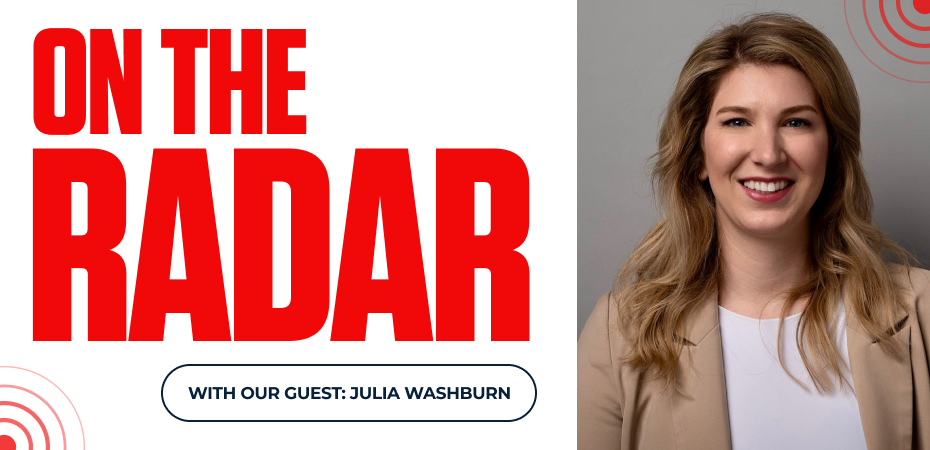
As companies race to invest in AI, one challenge keeps surfacing: AI is only as good as the context behind it. That’s a message Julia Washburn has spent years helping bring to life for North American audiences. As Head of North America Field Marketing at Celonis, she translates the German-founded company’s vision into stories that resonate with North American buyers across manufacturing, retail, consumer goods, banking, healthcare and the public sector.
We spoke with Washburn about adapting global messaging for local markets, the evolution of Celonis’ AI narrative, and why great marketers spend as much time listening as they do creating.
Q: What does it mean to translate a global message for North American audiences?
Julia Washburn
Our job is to take Celonis’ global messaging and make it relevant first for a North American audience and then for the industries we serve, whether that’s manufacturing, retail, consumer goods, or public sector. Sometimes that means shifting away from technical, process-focused language and leading with the problem customers are trying to solve.
One example we often refer to internally comes from a study that compared how Starbucks presents its ordering experiences in different countries. For example, in Germany, the experience is very structured and process-driven, with fewer customizations. In the U.S., people expect customization and more conversational language. Knowing your audience is good marketing 101. North American audiences want to understand the “why” before they dive into the details, so we focus on making the message more relatable, and outcome-oriented.
Q: Celonis spent years building awareness around process intelligence. How has the company’s messaging evolved as AI has become a priority for customers?
Julia Washburn
For a long time, especially in North America, our challenge was helping people understand what process intelligence was and why it mattered. We were creating a category in a market that wasn’t as familiar with it as Europe was. But as AI adoption accelerated, we started hearing something different from customers and our field teams: organizations were looking for ways to get more value from their AI investments.
That’s led to a shift in how we tell our story. Instead of leading with process intelligence, we’re leading with the business challenges customers are trying to solve. AI agents need context to make informed decisions, and because Celonis sits across business processes and systems, we’re able to provide that context. It’s a message that aligns much more closely with what customers are focused on today, and it’s helped us connect our technology to outcomes they already care about.
Q: How do you work with the sales team to ensure your messaging reflects what customers actually care about?
Julia Washburn
A big part of my role is acting as a bridge between our sales teams and the broader marketing organization. Our sales teams are speaking with our customers every day, so they’re often the first to spot changes in how people are thinking about a problem or the language they’re using to describe it.
I’ve always viewed sales teams as great editors. We bring them messaging, campaigns, and content, then listen closely to their feedback and what they’re hearing in the field. Sometimes customers understand the idea we’re communicating, but they’re describing it differently than we are. Those insights help us refine our messaging so it feels more natural and relevant. The best marketing doesn’t happen in a vacuum. It comes from creating a continuous feedback loop between customers, sales, and marketing.
Q: Celonis invests heavily in events. What’s your approach to making the most of those investments?
Julia Washburn
A successful event starts long before you arrive on site. For our larger events, we’re building awareness ahead of time through PR, content, social media, digital advertising, and outreach from our business development team. The goal is to have meaningful meetings already scheduled before the event even begins.
The other piece is follow-up. That’s where a lot of companies leave value on the table. We work hard to make those interactions feel personal by referencing specific conversations and connecting attendees to relevant content, webinars, or next steps. The event itself is just one touchpoint in a larger customer journey. If you want to maximize your return, you have to think beyond the booth and focus on how you’ll continue the conversation after everyone goes home.
If your organization is navigating a complex market, evolving its messaging, or looking for ways to better connect global strategy with local audiences, REQ can help. Reach out to learn how we help brands turn customer insights into stories that drive business results.