Most journalists covering a beat get more pitches in a single morning than they can read, let alone respond to. How do you get their attention?
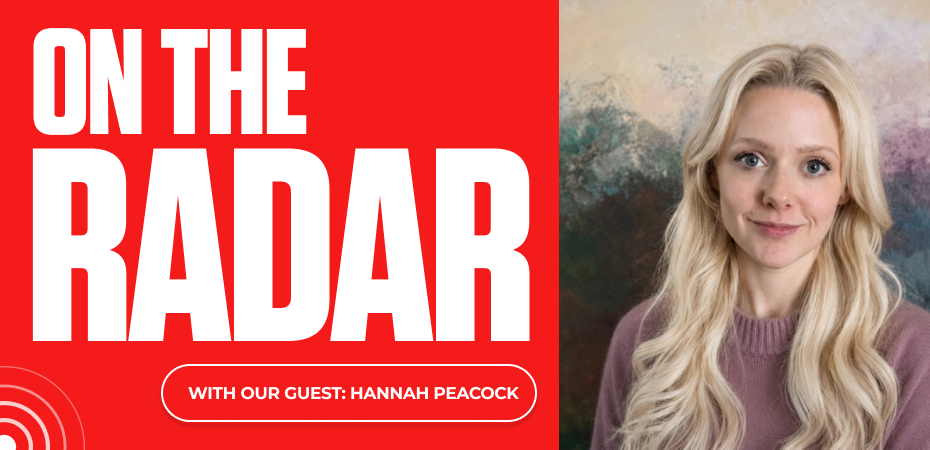
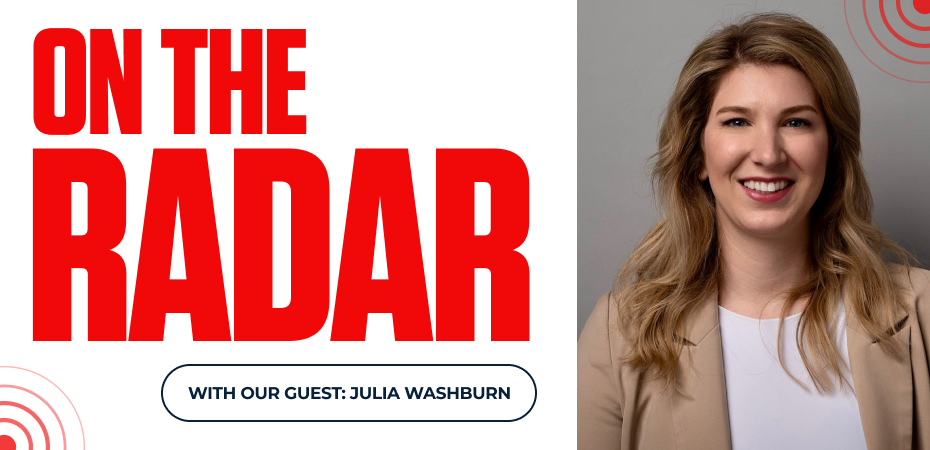
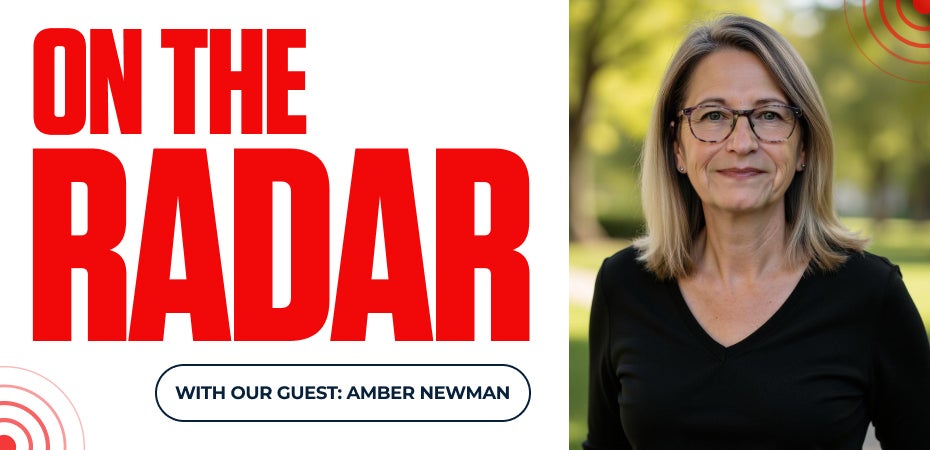
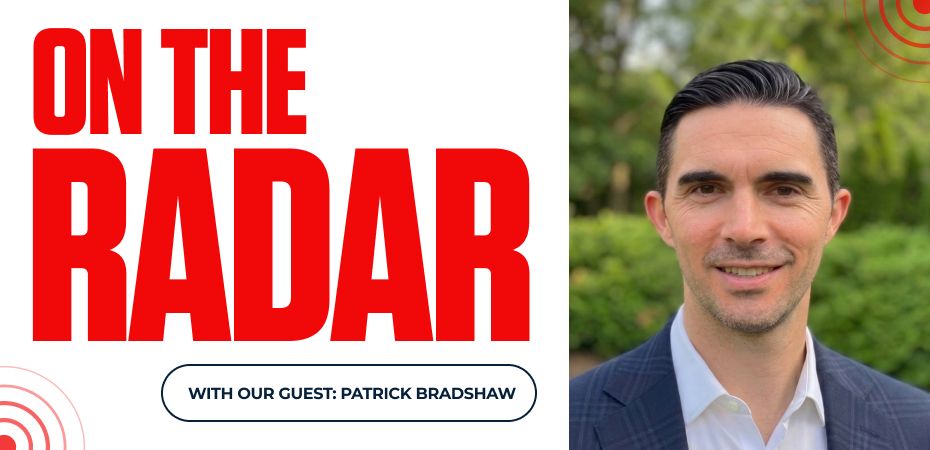
REQ recently hosted a webinar, “What Makes a Public Sector Story Worth Telling?”, moderated by EVP and Managing Partner Katie Hanusik, that dug into exactly this from the reporter’s side of the inbox. Here are some of the key takeaways..
How Do I Write a Media Pitch That Actually Gets a Response From a Busy Journalist?
While it’s true that you’re sending a pitch to a reporter, they’re not your real target. The real target is their reader who, presumably, is also probably one of your potential customers.
That’s who reporters write for, and that’s why you should start with talking about what a reporter’s specific readers care about right now. That may not necessarily be what your company thinks is important. That distinction came up repeatedly in REQ’s public sector webinar: reporters evaluating pitches based on whether they fit what their audience actually needs or is concerned about at that moment.
So, lead with the trend, shift, or problem your announcement connects to, then get to your company’s role in it. And be sure to keep the pitch short enough to read in the time it takes to open an email. If a reporter has to dig to find out why this matters to them, the pitch has already lost.
It also helps to know the reporter’s recent coverage before reaching out. Referencing a piece they wrote recently, and connecting it to your pitch, signals you’re paying attention to their work instead of pitching everyone the same way.
Should I Use a Press Release, a Personalized Pitch, or Both?
They serve different purposes, and treating them as interchangeable is a common mistake. A press release documents news for the record and gives any reporter who’s interested a consistent set of facts to work from. They are also great for SEO/GEO purposes as press releases provide news in a structured and clear way that makes it easy for search engines to pick up. A personalized pitch is what actually gets a specific reporter’s attention, because it shows you understand their beat and are willing to personalize the news and take the time to reach out to the directly.
The strongest approach uses both: a personalized pitch to the handful of reporters who are the real targets, backed by a press release for anyone else tracking the announcement or picking it up later. Sending only a mass press release with no personalized outreach is one of the fastest ways to get ignored by the reporters who matter most.
Have a Subject Matter Expert Ready to Go
The actual pitch is just one aspect of media outreach. There’s a lot that has to be in place before you hit send. Having a good understanding of what the news is and why it’s important to the reporter and their readers goes without saying. But you also need to have a subject-matter expert available and briefed, someone who can be ready to go in the event an interview opportunity arises,.
That person should not just understand the product that you’re pitching. Ideally, they should be well-versed in the market and industry and know the types of challenges your customers are facing (and how what you’re pitching helps address them). Reporters love to talk about trends, so the more your spokesperson can discuss the broader picture, the better chance you’ll have of being covered.
How Many Press Releases or Pitches Should a B2B Company Send per Month?
We all love metrics, but in this case, trying to reach a certain amount of pitches or press releases per month isn’t the best strategy. We’ve already established that reporters get tons of messages every day; adding more to the pile just for the sake of hitting a number doesn’t help you or them..
A better approach is to pitch when there’s something a reporter’s audience genuinely needs to know. . Quality and relevance carry more weight than frequency, and a reporter who trusts that your pitches are worth opening will engage more over time than one worn down by volume.
Getting It Right
Effective pitching isn’t about writing a better subject line, it’s about understanding what reporters actually need before you ever hit send. If you’d like to dig deeper on this topic, watch our webinar, where we sit down with award-winning journalists and hear first-hand how to attract their interest.