Three Media Monitoring Tips to Keep Aware of Your Brand’s Perception

by

4–6 minutes

read

Peloton’s infamous holiday ad featured a woman’s journey to be fit and thin, which became a mockery on Saturday Night Live and in other advertisements. The commercial received an incredible amount of buzz, but it has changed Peloton’s image forever.

As my colleague nicely put it, “the media has the power to impact the way we perceive things.” At the end of the day, your brand’s image is your bread and butter, but how do you monitor what the world and media are saying about that brand?

To maintain the image that you want to portray, you need to know what’s going on at all times. That means keeping up to date on competitors, trends, and the general media’s perception of your organization.

Media monitoring gets you ahead of the curve by helping you identify potential crises. With this knowledge, you can develop a strategic response to shifting brand perceptions.

We do this for clients every day. Our public relations team stays on top of our clients’ images and public perception by combing through the media and auditing how our clients’ brands, competitors, and industries are being talked about.

But what do we mean when we say “media?” After all, the term “media” has shifted tremendously over the past decade and now includes print, online, broadcast, and even social media. Each of these serves a purpose.

Print might be considered a dying form of media, but there are plenty of people who still prefer to pick up a magazine or newspaper compared to reading it online. Cable is on the decline, but radio and television still reign as powerful influencers. Online, of course, is extraordinarily powerful, as it is a forum of everyone’s opinions, including comments on articles, YouTube videos, and social media platforms.

Covering that much ground requires a number of tools and strategies. I’d like to share some of those here so you can understand how to successfully monitor your brand across all mediums.

1. Know your audience

Who is your key audience and where are they most active? In order to start monitoring, you need to know their interests, the publications they read, the stations they watch, and even the social media accounts they follow. When you start to monitor your audience, you learn what they care about, giving you further insight on how to differ from competitors.

2. Use your toolbox

Once you understand your audience, it’s time to deploy some tools to track how the various mediums they’re watching, reading, or listening to are covering your organization. At REQ, we use countless tools to gauge what the media is saying and how that message could influence public perception. Here are the most useful ones and what they do best:

  • TVEyes
    • Known as the “Google” of broadcast television, TVEyes finds television and radio coverage as fast as possible. The platform features regional, local, national, and even global reach to find your search topic. It’s great for monitoring how your client is being talked about in both TV and radio news stories.
  • Google Alerts
    • Setting up a simple Google Alert is one of the best ways to monitor topics, clients, outlets, and even competitors. You can even control how often you get notifications on each alert. One of the best aspects of Google Alerts? It’s free.
  • Meltwater
    • Meltwater is one of the best tools on the market for social media monitoring. The software allows you to monitor mentions of your company through a database of more than 300,000 global online news sites. One of the platform’s most notable features is its social media monitoring tool, which allows you to track, analyze, and even engage in conversations.
  • Daily Round-Ups
    • Most of the major publications have a morning or daily email roundup. This gives you an idea of the general climate around how your organization and your competitors are being discussed in the news. Getting a feel for what’s hot can also help you jump on any potential news opportunities for your business.

3. Research before outreach

Media influence goes two ways. Yes, the media influences the way that your brand is perceived. But you can also influence the media so that your brand is portrayed the way you want. That starts with getting to know the journalists who cover your industry.

If you’re monitoring on the daily, you’ll start to get a clearer understanding of the journalists who are writing on subjects applicable to your business. Getting to know the journalists and influencers who cover your industry is hugely important because it’ll help you tailor your message to their interests. You’ll have a better chance of getting them to cover your organization the way you want it to be covered, and you’ll take control of your message.

As the response to the Peloton ad shows, continuous media monitoring is just as important to your marketing efforts as market research, market strategy, competitive analysis, and other core strategies. It’s imperative to keep an eye on what the media and public are saying about you. If you don’t, all of that effort you put into your marketing plan could go sour.

Don’t let that effort go to waste. Continue to scan your coverage and assess the public’s perception of your brand. If things begin to change in ways you don’t like, adjust your messaging, target your outreach, and take back control of your brand image. Remember, you can be an influencer too.
The CMO Who Gave Up Sales Pitches to Build Real Relationships

The CMO Who Gave Up Sales Pitches to Build Real Relationships

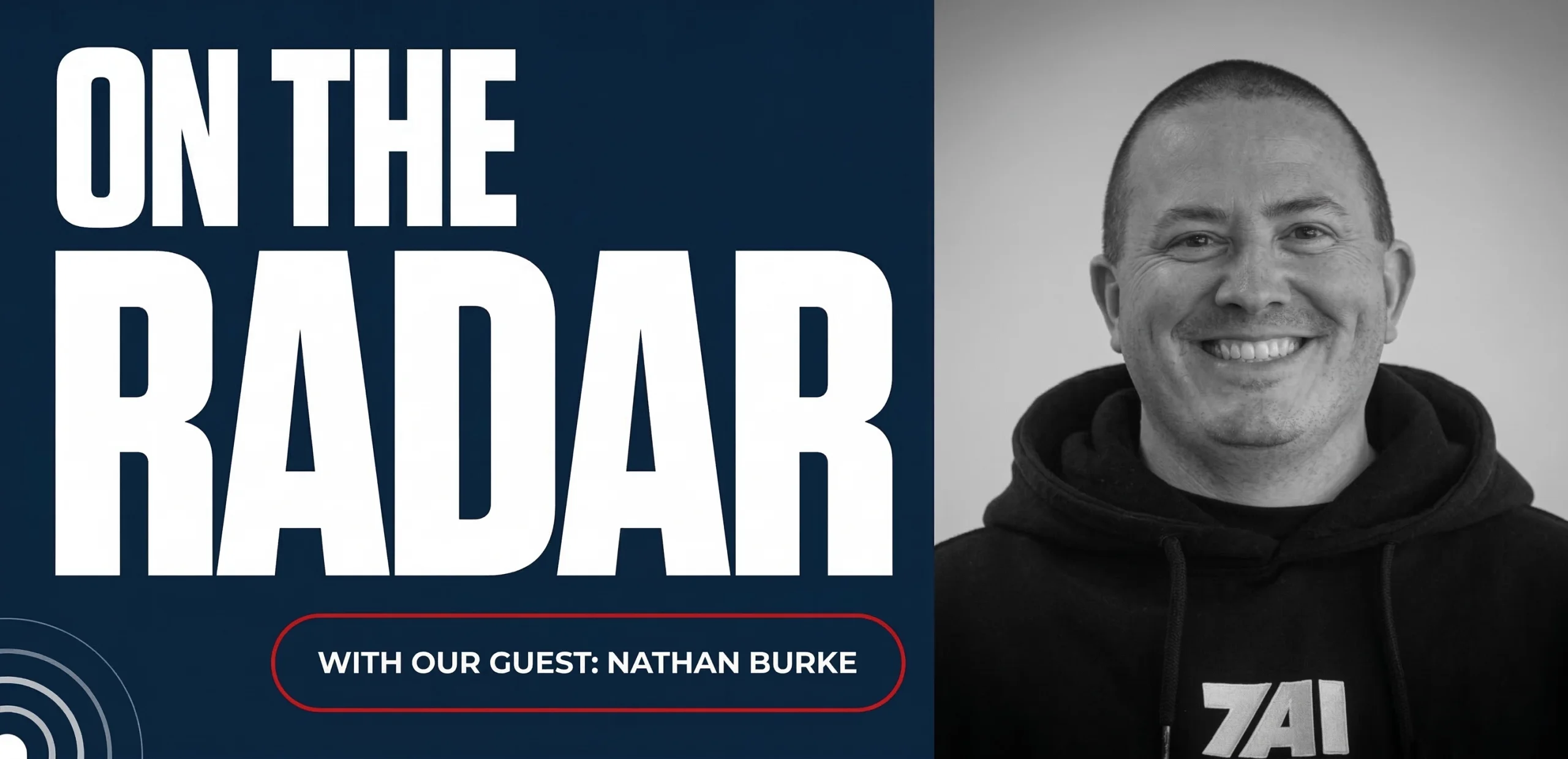
Chatting with Nathan Burke of 7AI on why relationship-building outperforms traditional B2B marketing Nathan Burke is intentionally doing less of what most B2B marketers are taught to do. As CMO of 7AI, he’s opting out of the usual B2B playbook, the awkward steak dinners with a pitch attached, the conference badge scanning arms race, and…

How UVEye’s Unicorn Drives Trade Show Excitement

How UVEye’s Unicorn Drives Trade Show Excitement

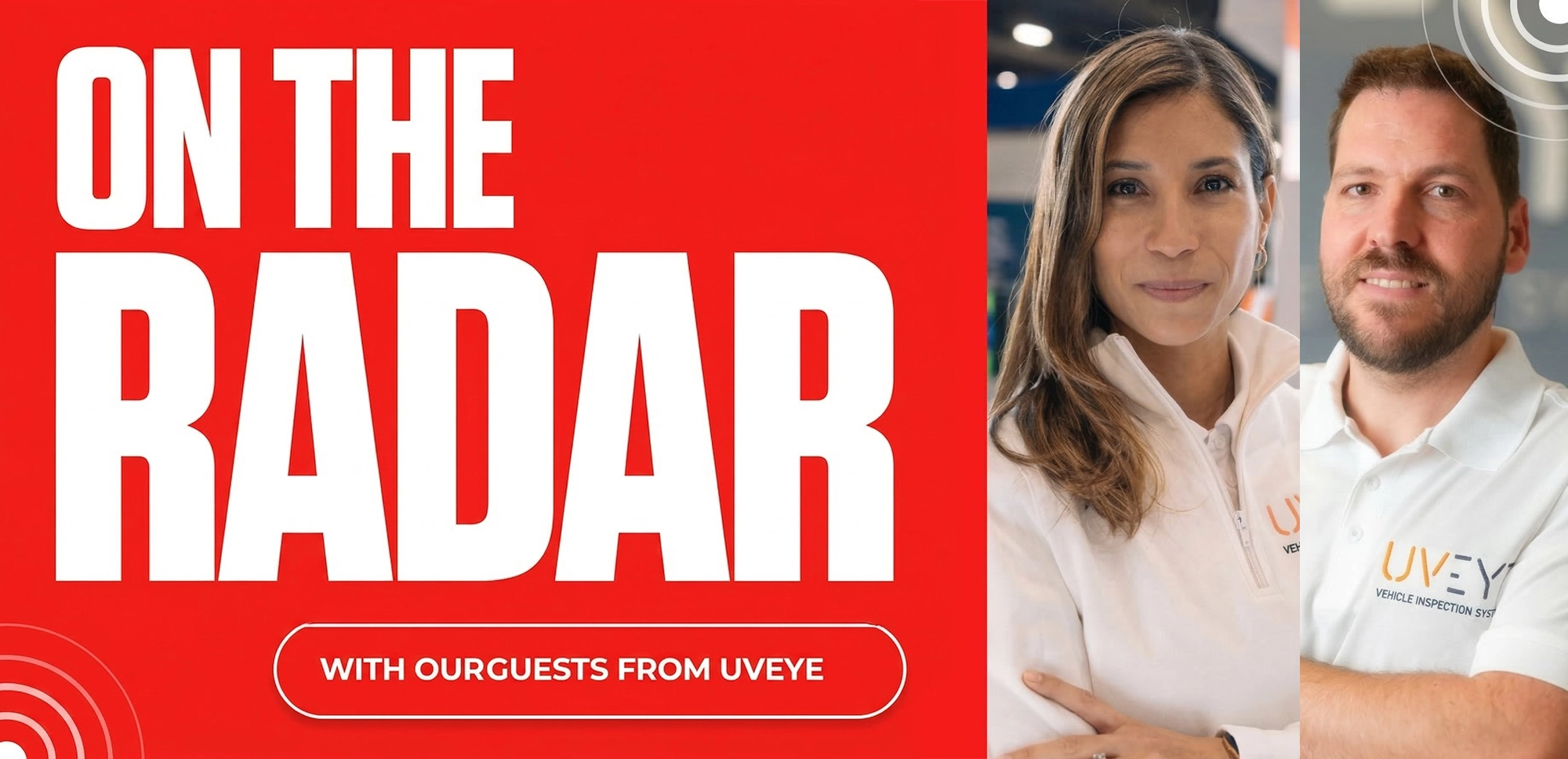
Trade shows are crowded. Competitive. Expensive. Every booth promises innovation. Every brand is trying to stand out to the sea of overwhelmed and tired attendees. For AI-driven vehicle inspection company UVEye, standing out meant not just thinking creatively. It meant creating a unicorn. UVEye calls its technology an “MRI for cars.” It provides AI-driven technology that…

How WalkMe’s Melanie Pasch Humanized the Enterprise AI Adoption Problem with “AI Shame”

How WalkMe’s Melanie Pasch Humanized the Enterprise AI Adoption Problem with “AI Shame”

Ask an executive how many software applications their company uses, and they’ll probably guess 30 or 40. The average organization, according to research by digital adoption platform (DAP) pioneer WalkMe, actually runs about 625 applications. This staggering digital ecosystem is where most tech investments stall, not because the technology is poor, but because employees can’t…

From $200M ARR to Pre-Seed: How Karina Lawrence Rewrites the Marketing Playbook for Early-Stage Startups

From $200M ARR to Pre-Seed: How Karina Lawrence Rewrites the Marketing Playbook for Early-Stage Startups

When you’ve helped scale a developer-focused company from roughly $200M to nearly $250M in ARR, you know what “grown-up” marketing looks like. Today, though, Karina Lawrence is back at the very beginning—leading marketing at Macrovo, a pre-seed, ~10-person startup that blends AI and human expertise to help financial institutions make faster, smarter decisions. It’s a…

B2B Videos You Actually Want to Watch? Meet Jared Evers of Medallia.

B2B Videos You Actually Want to Watch? Meet Jared Evers of Medallia.

For Jared Evers and his small and scrappy content team at Medallia – provider of customer and experience software – if you can’t do something stellar, there’s no sense in doing it at all. For proof, check out how the team is pushing the boundaries of corporate videos with Experience Now, Medallia’s own streaming platform.…

How HII’s Jaime Orlando Builds Connection, Culture, and Momentum Inside a Legacy Brand

How HII’s Jaime Orlando Builds Connection, Culture, and Momentum Inside a Legacy Brand

Q: Jaime, for those who might not know HII Mission Technologies, can you give us a quick overview of what your team does? Jaime Orlando Absolutely. HII as a company has an incredible legacy. It’s America’s largest shipbuilder, with more than 135 years of experience. About 75% of HII’s business comes from shipbuilding at our…

How Jenifer Kern Helped Qu Redefine Restaurant Tech

How Jenifer Kern Helped Qu Redefine Restaurant Tech

On the Radar sat down with Jenifer Kern, CMO of Qu, to talk about how she helped create a new category in restaurant technology, why maintaining industry focus has been key to business growth, and what it means to elevate marketing in a longstanding industry undergoing rapid transformation. Q: When you joined Qu, what did the industry…

From The New York Times to Muck Rack: Linda Zebian on Knowing What’s Newsworthy

From The New York Times to Muck Rack: Linda Zebian on Knowing What’s Newsworthy

Linda Zebian knows how to tell a good story. As VP of Communications at Muck Rack, she leads a lean, high-impact team responsible for brand, content, product marketing, internal comms, and more. Her approach is grounded in the instincts she developed over 10 years in corporate comms at The New York Times, where she learned…

How Sam Baldridge is Turning Culture Into a Competitive Edge

How Sam Baldridge is Turning Culture Into a Competitive Edge

At Applied Systems, Sam Baldridge wears a lot of hats. Officially, she’s the Senior Communications and Culture Specialist. Unofficially, she might be better known as the “Vibes Director.” Sam is part of a small but mighty three-person team tasked with building internal connection, shaping employer branding, and turning culture into a competitive advantage.  We caught…

How Kristina McConnell Uses Precision and AI to Power Account-Based Marketing at H1

How Kristina McConnell Uses Precision and AI to Power Account-Based Marketing at H1

A Director of Marketing at H1, Kristina McConnell brings structure, creativity, and a test-and-learn mindset to every campaign she touches. With a small team and a niche audience in the pharma space, she has helped transform H1’s account-based marketing (ABM) approach into a tightly aligned, data-driven engine. Her team goes far beyond basic alignment with sales.…

CONTACT US
CONTACT US

WE HELP BRANDS OWN WHAT’S NEXT

Our integrated PR and digital campaigns build reputations, drive growth, and shape conversations that define markets. Let’s talk about how we can help you do the same.