We all know the importance of content marketing. It helps build brand awareness, is a powerful SEO tool, and can complement paid media campaigns. But are you making the most out of your content marketing efforts?
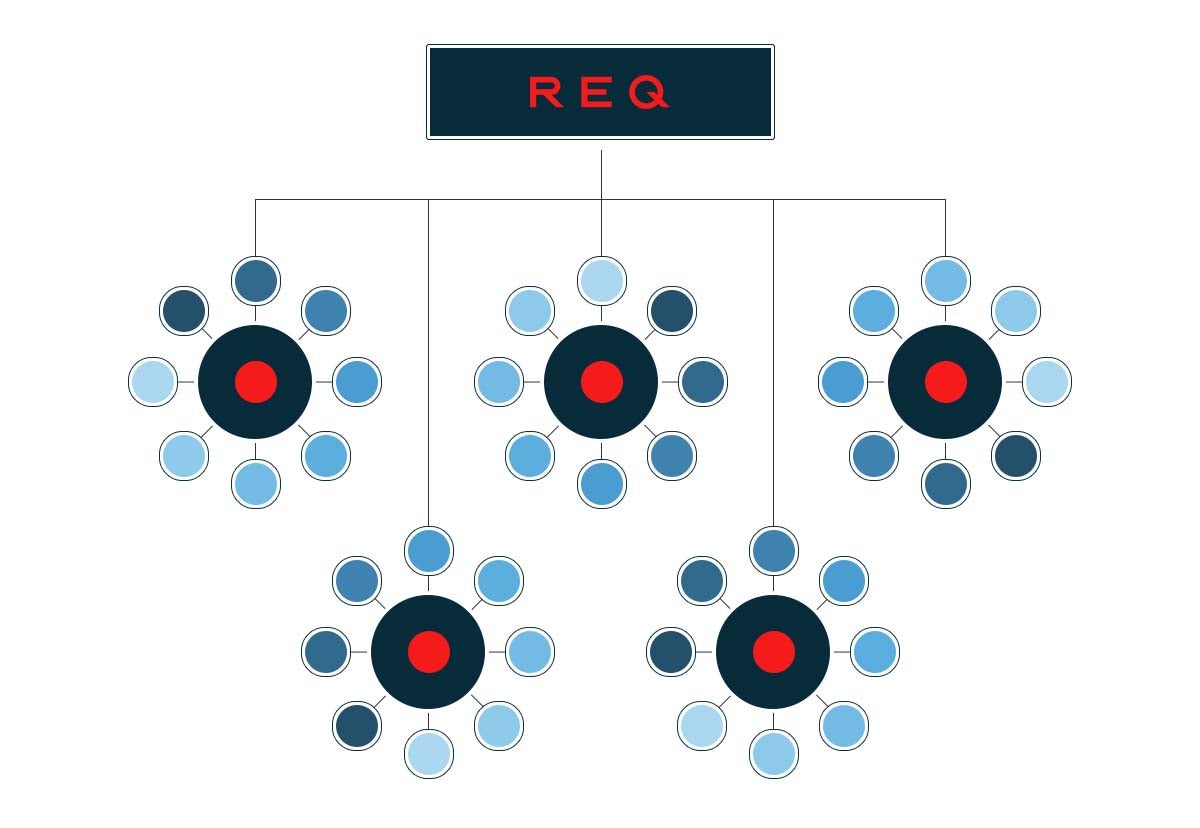
Pillar content is a content marketing strategy that creates a network of pages to enhance your efforts. These pages strategically work together to boost SEO and create a valuable resource for website visitors.
Let’s learn more about what pillar content is, the different kinds of pillar content pages, and how you can create your own pillar content strategy.

What is Pillar Content?
According to Hubspot, a pillar page is a “comprehensive resource page that covers a topic in depth.” The page “links to high-quality content for supporting subtopic keywords.” Pillar pages utilize on-page SEO and can be optimized to drive conversions with form fills or lead gen opportunities.
To complement your pillar page, you create topic clusters that drive back to the pillar page. Topic clusters provide “the opportunity to expand on what you’ve highlighted on your pillar page, allowing you to address some aspects more thoroughly.”
Pillar Page Best Practices
Now that you understand what a pillar page is, let’s go over some of the best practices when creating your own.
Use On-Page SEO Strategies
One of the main goals of pillar content strategies is to improve your organic SEO. When creating your pillar pages and topic clusters, make sure to apply on-page SEO best practices. These include:
-
Putting your primary keyword in your title (70 characters or less) and meta description (155 characters or less), in your H1, and in at least one H2
-
Only having one H1 and only using headers in descending order
-
Including both internal and external links; internal links are especially important when building out your pillar content architecture
-
Including alt text on all images
-
Writing at least 500 words; research shows that the ideal content length for maximizing social shares is between 1,000-2,000 words
Don’t Gate Your Content
While you can drive conversions from your pillar content, you shouldn’t gate the information to improve both SEO and user experience. Some ways to drive leads on your pillar page are to offer an email-gated free download, a PDF download of the page itself, a link to a gated eBook or other content piece, or a simple contact form. Pillar content is generally catered to top-of-the-funnel prospects and the goal is to educate and position yourself as a thought leader. Leads are a secondary goal.
Use Different Forms of Media
All of your content for your topic cluster doesn’t have to be traditional blog posts. Research your audience and the best way to present information to them. This could be in the form of videos, infographics, eBooks, quizzes, or other creative solutions.
Link Back to Your Pillar Page
The main goal of a pillar strategy is to create a content architecture that links back to each other. This will help you improve your internal links, improve user experience, increase time on site, and other SEO benefits.

The Two Main Types of Pillar Content
There are two main types of pillar content around which you should center your strategy. These include the 10x content page and the resource pillar page.
10x Content Page
10x content pages are the most common types of pillar content that most marketers create. A 10x content page is a single page that houses everything there is to know about your core topic. It gets its name because it’s ten times better than anything else on the subject. Because of that, it becomes a go-to resource for your website visitors.
Your 10x content page should:
-
Answer the questions that your audience is asking
-
Cover areas that they don’t even know to ask about yet
-
Include visuals to break up the copy, such as videos, infographics, or quizzes
-
Offer optimal user experience across all devices
-
Include information that can’t be found elsewhere
Here’s an example of a 10x pillar page we built for one of our clients. It serves as the ultimate guide to their product: walk-in tubs.
Resource Pillar Page
A resource pillar page is another tool for users that houses both internal and external links about a subject. This comprehensive list of links creates a useful resource for website visitors and although some links might direct away from your website, this pillar content is valuable because people can bookmark it for future use.
Here’s an example of a resource pillar page from Hubspot. As you can see, not all the content relates to their products, but it’s a great resource that answers a question that their audience was asking (what’s the best productivity app?).

How to Create Your Own Pillar Content Strategy
Creating a pillar content strategy isn’t complicated and if you’re already doing content marketing, it might be as simple as shifting your strategy to get the most out of each content piece. Here are some steps to follow when creating your own pillar content:
-
Come up with a topic – The first step in building your pillar content strategy is coming up with a topic that is relevant to your business, answers the questions your potential customers are asking, and is broad enough to lead to plenty of cluster content topics. For example, your topic could be “cold brew coffee.”
-
Create topic clusters using keyword research – We’ve talked before about how to find out what your audience is talking about using keyword research, social listening, and old fashioned research, so we don’t go into too much detail here. But using this data, you can create your topic clusters. For the above example about cold brew, topics might include “How to Make Cold Brew,” “Best Cold Brew,” or “Benefits of Cold Brew Coffee.” Researching what your audience is talking about can also include researching what type of content they consume the most (blog posts, videos, eBooks, etc.).
-
Interlink your topic clusters to your pillar page – The last ingredient in a pillar content strategy is to interlink your content clusters back to your pillar page. As mentioned, internal linking is one of the key ingredients in a successful content marketing strategy. When all your pillar content pages link together, it will boost your SEO and help your audience find the topics they’re looking for.
Creating pillar content is one way to approach your content marketing and helps you get the most efficient results from your efforts. Creating a pillar page and helpful content clusters will help your whole content system work together seamlessly.