The First Line is the Hardest

by

• Article
4–6 minutes

read

Over the past couple of weeks my daughter and I have been catching up on some holiday movies, including “The Muppet Christmas Carol.” The film begins (as does the novel and the other film versions of the tale) with Gonzo speaking the line “Marley was dead, to begin with” – to which Rizzo the Rat responds, “It’s a good beginning. Creepy and kind of spooky!”

Rizzo’s right; that’s a pretty cool opening line! It is, as they say, a “grabber” — the type of line that, when one hears or reads it, one can’t help but continue on to see where things go from there.

Indeed, Charles Dickens had a way with the opener, didn’t he? “It was the best of times, it was the worst of times,” “Whether I shall turn out to be the hero of my own life,” and so forth. I don’t know how long it took him to come up with these words; maybe they just rolled right from his pen the first time around.

That’s pretty unlikely, though. If Dickens was like many writers, he probably found the first line of any written text is the hardest line to write.

An opening line is kind of like a person making a first impression on someone they’ve never met before. It sets the tone for everything that follows, and can either welcome the reader in, or shut them out completely. It can be the make or break point that decides whether that potential customer decides to read a particular thought leadership article or white paper or a reporter continues to read a pitch or press release. Indeed, the first line may very well be the most important line. No pressure, right?

Of course, that pressure is a big reason why the opening words of any piece of content tend to be the most difficult to write. They have to be unique and attention getting, all while somehow conveying the gist of the entire piece. It’s a lot to ask of a few words, and it’s probably a big reason why writer’s block became a thing.

How does one get beyond this hurdle? Well, if you’re me, you take several different approaches.

Finish the first line last

A first line doesn’t have to be the first line written. In fact, if we agree that the opening sentence is meant to encapsulate everything that follows, it might make sense to focus on the body of the content rather than struggling with the beginning. So, don’t even worry about trying to write the opening line first. Instead, start by writing the second, third, or even fourth paragraph. After the meat of the article, release, or pitch is written, you may get some ideas from the overall tone of the piece that can help you phrase a captivating opening.

Rework it

I can’t tell you how many times I’ve written and rewritten the opening line or paragraph of an article or blog post. Heck, before I’m done here, I’m sure I will have rewritten the beginning of this particular post a few times. It’s the writer’s curse; one feels compelled to continue to go back and rework the text in the hope of achieving the ideal hook.

That’s perfectly OK. As stated above, the text that follows the introductory paragraph will often influence that paragraph. Indeed, the opening, middle, and close should all flow cohesively and tell a complete narrative. So, when you’re done writing the rest of the content, feel free to go back and revise your beginning as necessary. You’ll know when you’ve got it saying exactly what it needs to say.

Walk away for a bit

Even the best writers struggle with putting words on screen, especially when it comes to beginning their content. When that happens, the best solution is often to simply step away from the computer. Do something to clear your head. Perhaps that means working on something else, or talking to a colleague, or doing some exercise. Maybe it means putting it away until tomorrow if you have that luxury. More often than not, the simple action of getting away will give you some ideas of what to write.

Take a cue from fiction writers

Obviously business writing is not like fiction writing. I would submit that it’s actually harder, since many pieces of business content tend to focus on the same things (i.e., “the cloud,” “software,” “agility,” etc.). Unlike a story that you create on your own, it’s often harder to make business content stand out in a crowded field.

Still, that doesn’t mean that marketers cannot take some advice from the literati. Some of the tips in this Writer’s Digest article actually translate well to the writing of business-related content. Points two, three, and four – which focus on introducing facts in interesting ways – may be particularly relevant.

I’m not suggesting that you attempt to be the Charles Dickens of marketing, but rest assured that there exist ways to get creative, get the reader’s attention, and get the point across. It probably won’t be easy since, to paraphrase another famous wordsmith — Sheryl Crow — the first line is the hardest. But it can certainly be done.

Now that we’ve gotten that out of the way, perhaps next time we’ll talk about the second hardest line to write – the last one.

How Phone.com’s Amber Newman Turned Paid Search Into a Precision Marketing Engine

How Phone.com’s Amber Newman Turned Paid Search Into a Precision Marketing Engine

Phone.com offers customers a straightforward alternative to complex and costly VoIP systems. It allows them to set up custom business numbers and manage calls, texts, and videos directly from their personal phones, keeping work and personal communications separate. Amber Newman, Phone.com’s director of marketing, has built a strategy that reflects her company’s simple but powerful…

How Patrick Bradshaw Is Bringing Marketing Into the Deal

How Patrick Bradshaw Is Bringing Marketing Into the Deal

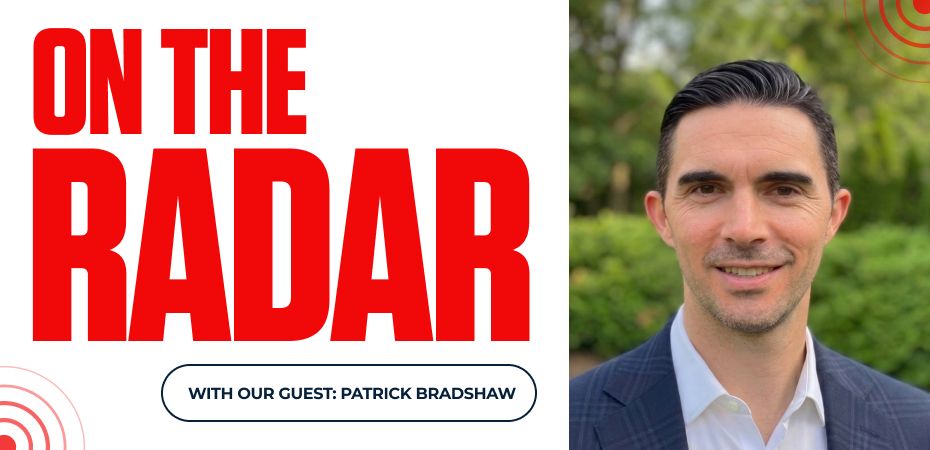
Sales enablement has traditionally focused on preparing reps with content, training, and playbooks before a deal begins. Patrick Bradshaw, Sr. Director of Acquisition and Growth Marketing at Highspot, says that the model is evolving as AI and better data make it possible to support teams up to the end of the sales process. We caught…

The CMO Who Gave Up Sales Pitches to Build Real Relationships

The CMO Who Gave Up Sales Pitches to Build Real Relationships

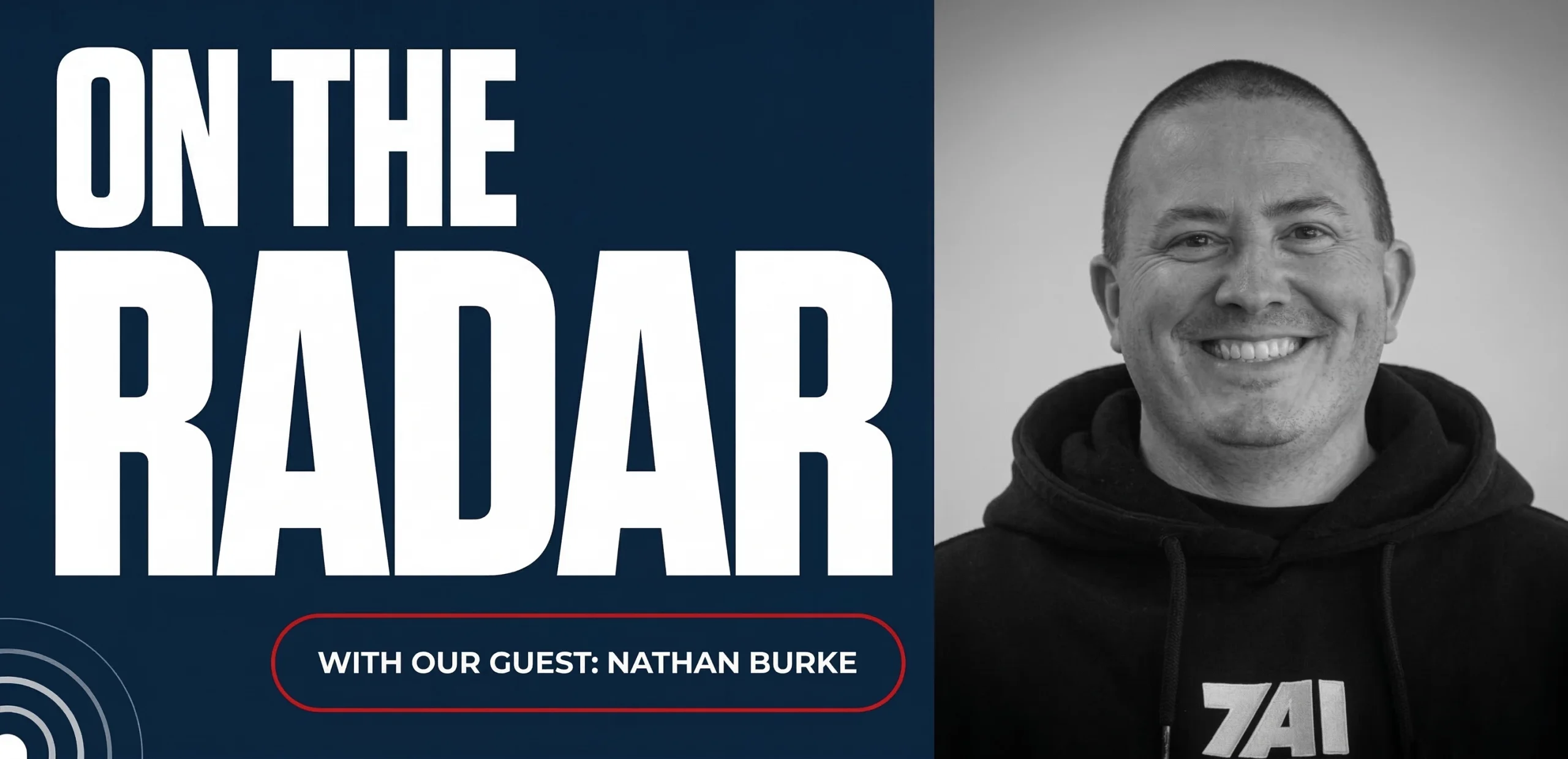
Chatting with Nathan Burke of 7AI on why relationship-building outperforms traditional B2B marketing Nathan Burke is intentionally doing less of what most B2B marketers are taught to do. As CMO of 7AI, he’s opting out of the usual B2B playbook, the awkward steak dinners with a pitch attached, the conference badge scanning arms race, and…

How UVEye’s Unicorn Drives Trade Show Excitement

How UVEye’s Unicorn Drives Trade Show Excitement

Trade shows are crowded. Competitive. Expensive. Every booth promises innovation. Every brand is trying to stand out to the sea of overwhelmed and tired attendees. For AI-driven vehicle inspection company UVEye, standing out meant not just thinking creatively. It meant creating a unicorn. UVEye calls its technology an “MRI for cars.” It provides AI-driven technology that…

How WalkMe’s Melanie Pasch Humanized the Enterprise AI Adoption Problem with “AI Shame”

How WalkMe’s Melanie Pasch Humanized the Enterprise AI Adoption Problem with “AI Shame”

Ask an executive how many software applications their company uses, and they’ll probably guess 30 or 40. The average organization, according to research by digital adoption platform (DAP) pioneer WalkMe, actually runs about 625 applications. This staggering digital ecosystem is where most tech investments stall, not because the technology is poor, but because employees can’t…

From $200M ARR to Pre-Seed: How Karina Lawrence Rewrites the Marketing Playbook for Early-Stage Startups

From $200M ARR to Pre-Seed: How Karina Lawrence Rewrites the Marketing Playbook for Early-Stage Startups

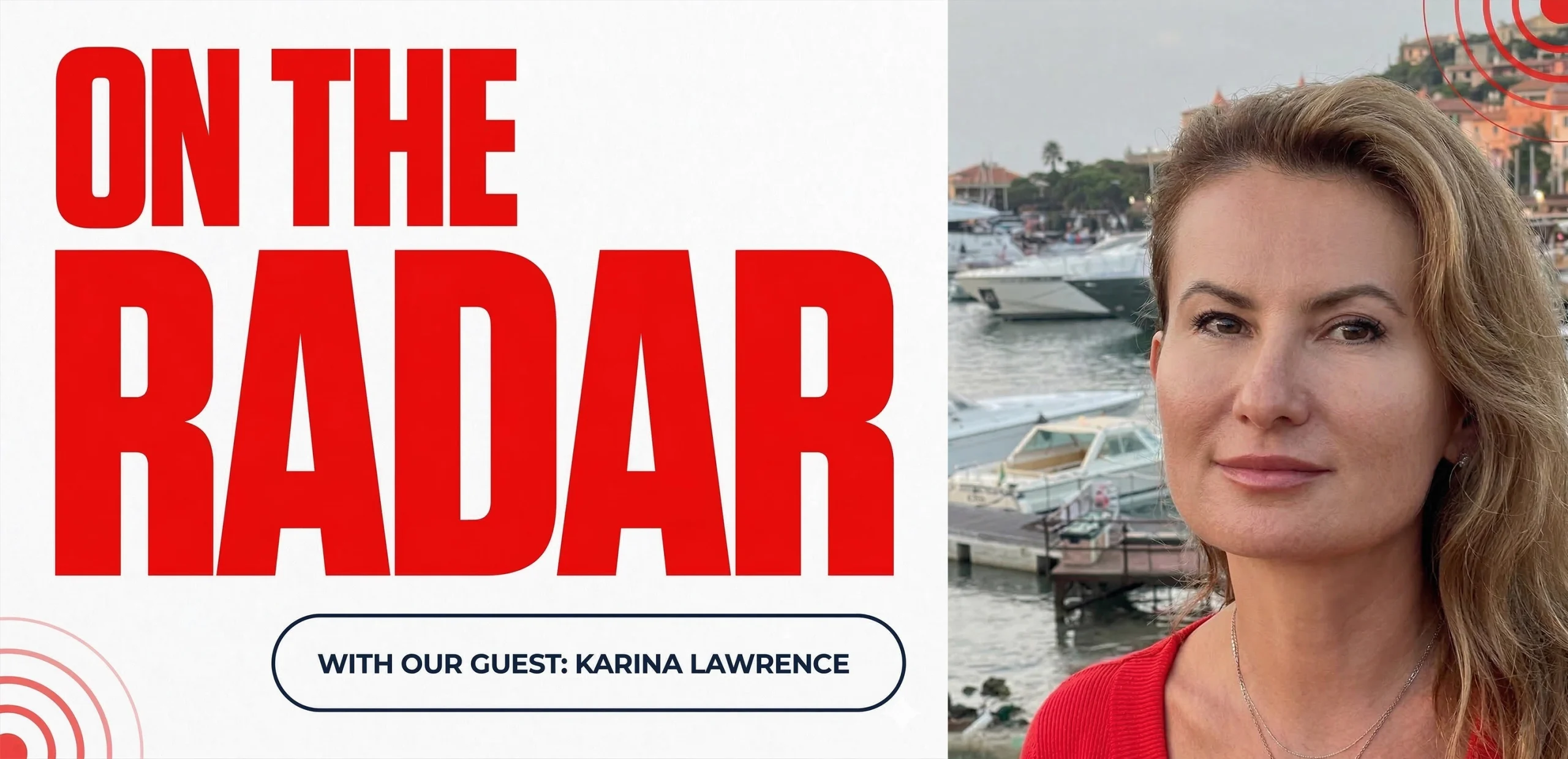
When you’ve helped scale a developer-focused company from roughly $200M to nearly $250M in ARR, you know what “grown-up” marketing looks like. Today, though, Karina Lawrence is back at the very beginning—leading marketing at Macrovo, a pre-seed, ~10-person startup that blends AI and human expertise to help financial institutions make faster, smarter decisions. It’s a…

B2B Videos You Actually Want to Watch? Meet Jared Evers of Medallia.

B2B Videos You Actually Want to Watch? Meet Jared Evers of Medallia.

For Jared Evers and his small and scrappy content team at Medallia – provider of customer and experience software – if you can’t do something stellar, there’s no sense in doing it at all. For proof, check out how the team is pushing the boundaries of corporate videos with Experience Now, Medallia’s own streaming platform.…

Verisys’ Brian Krenzer on Why Doing Less is the Smartest Q4 Move

Verisys’ Brian Krenzer on Why Doing Less is the Smartest Q4 Move

When Verisys, a healthcare data company focused on compliance and credentialing, set out to close the gap between what’s promised and what’s delivered, marketing became a central force in making that happen. Under the leadership of VP of Marketing Brian Krenzer, the team reoriented around what matters most: delivering a five-star customer experience at every…

How Workable’s Kathleen Schurman Uses Authenticity and AI to Elevate HR Marketing

How Workable’s Kathleen Schurman Uses Authenticity and AI to Elevate HR Marketing

In an age where automation dominates marketing headlines, Kathleen Schurman, Marketing Director at Workable, is proving that authenticity and storytelling still come first. Her team’s success lies in staying true to Workable’s roots—user-friendly software for hiring teams of all sizes—while adopting AI tools that amplify creativity and efficiency. We spoke with Kathleen about moving upmarket,…

How HII’s Jaime Orlando Builds Connection, Culture, and Momentum Inside a Legacy Brand

How HII’s Jaime Orlando Builds Connection, Culture, and Momentum Inside a Legacy Brand

Q: Jaime, for those who might not know HII Mission Technologies, can you give us a quick overview of what your team does? Jaime Orlando Absolutely. HII as a company has an incredible legacy. It’s America’s largest shipbuilder, with more than 135 years of experience. About 75% of HII’s business comes from shipbuilding at our…

CONTACT US
CONTACT US

WE HELP BRANDS OWN WHAT’S NEXT

Our integrated PR and digital campaigns build reputations, drive growth, and shape conversations that define markets. Let’s talk about how we can help you do the same.